
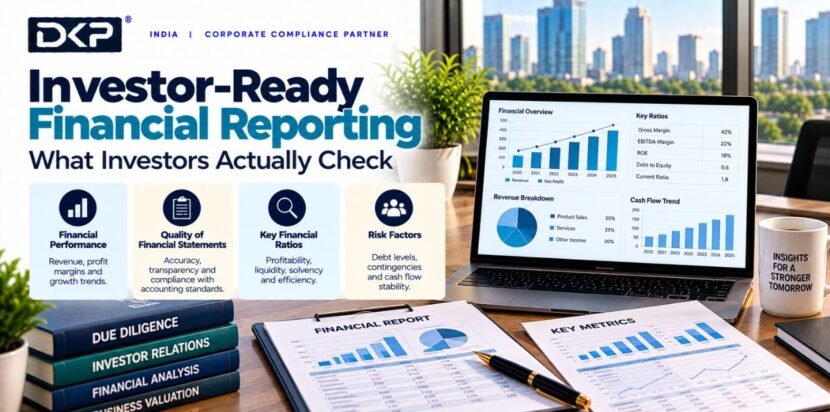
Investor-Ready Financial Reporting | What Investors Actually Check
Investors evaluating a funding round check financial historicals for consistency with pitch-deck representations, revenue breakdown by cohort or customer segment, expense categorization detailed enough to understand true cost structure, cap table reconciliation with the financial statements’ equity section, and unit economics that hold up under scrutiny.
Read More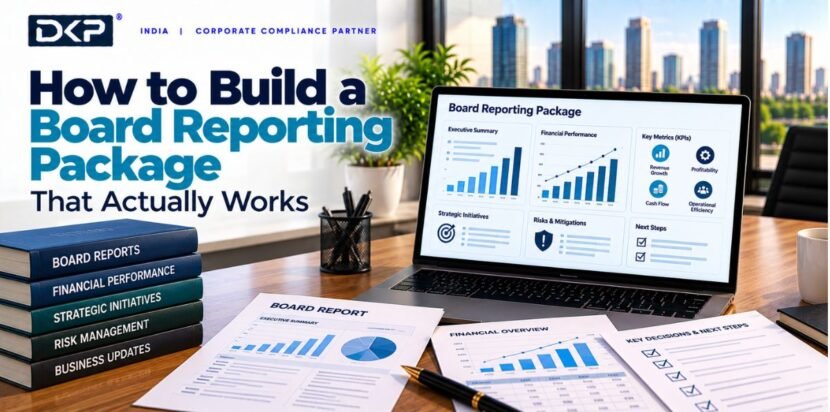
How to Build a Board Reporting Package That Actually Works
A good board reporting package includes a financial performance summary (built from the monthly MIS), key operational metrics, a budget vs actual review, specific matters requiring board approval (related party transactions, major expenditure, hiring decisions above a threshold), and governance items like statutory compliance status. Unlike
Read More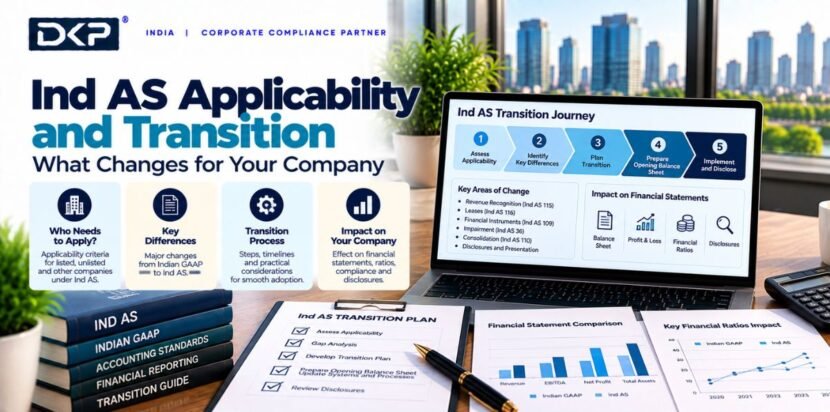
Ind AS Applicability and Transition | What Changes for Your Company
Ind AS (Indian Accounting Standards), India’s convergence with international IFRS, applies to companies based on net worth thresholds and listing status, rolled out in phases since accounting period 2016-17. Once a company becomes Ind AS-applicable, it generally remains applicable indefinitely, even if net worth later falls
Read More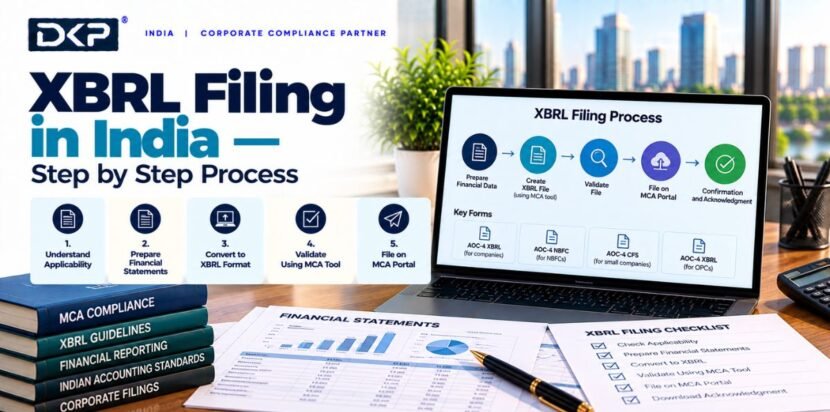
XBRL Filing in India — Step by Step Process (2026)
XBRL filing is mandatory for listed companies and their subsidiaries, unlisted companies with paid-up capital of ₹5 crore or more, turnover of ₹100 crore or more, or companies required to prepare financials under Ind AS. The process involves finalizing audited financial statements, tagging each line item
Read More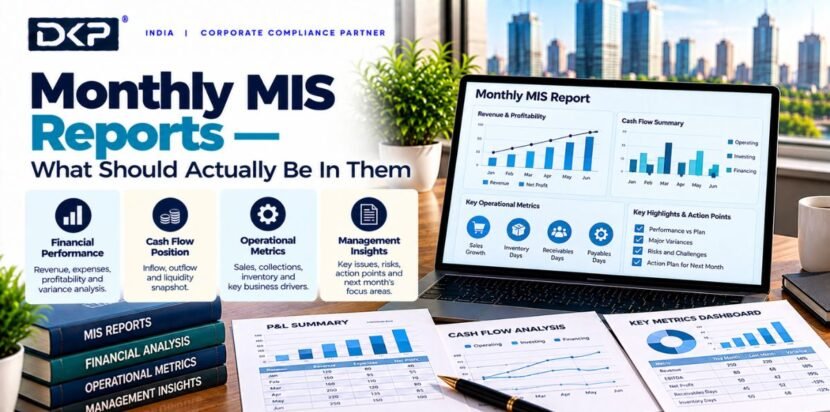
Monthly MIS Reports — What Should Actually Be In Them
A good monthly MIS (Management Information System) report includes a P&L summary, cash position and runway, budget vs actual variance, key operational metrics tied to the business’s stage (like burn rate for startups or receivables aging for services businesses), and a brief written commentary explaining what
Read More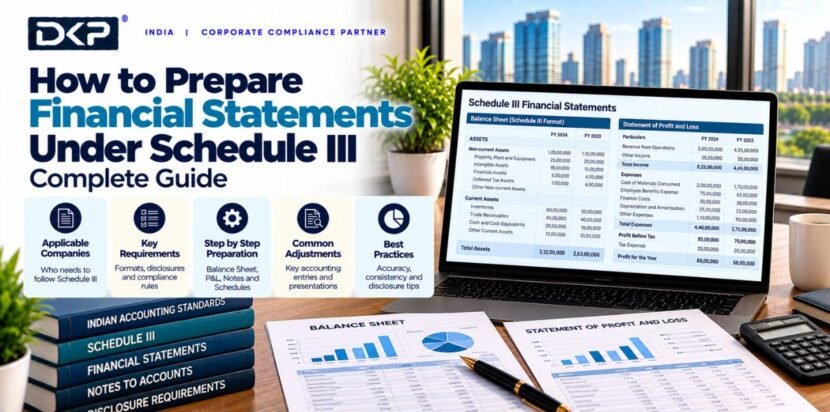
How to Prepare Financial Statements Under Schedule III Complete Guide
Schedule III of the Companies Act 2013 prescribes the mandatory format for preparing financial statements in India, A vertical Balance Sheet classified into current and non-current assets/liabilities, a Statement of Profit and Loss, a Cash Flow Statement (for non-small companies), and detailed notes to accounts. Division
Read More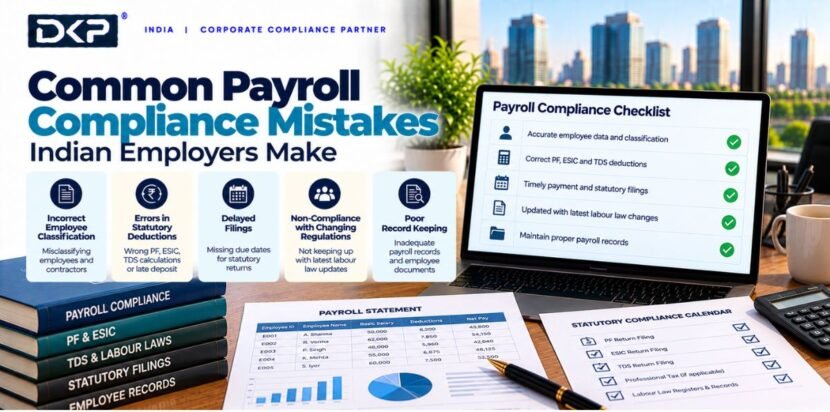
Common Payroll Compliance Mistakes Indian Employers Make
The most common payroll compliance mistakes Indian employers make include structuring basic pay too low to reduce PF contribution (now explicitly non-compliant under the Labour Codes), excluding contract workers from PF/ESI when the principal employer remains liable, missing the 15th-of-month PF/ESI deposit deadline, incorrect TDS regime
Read More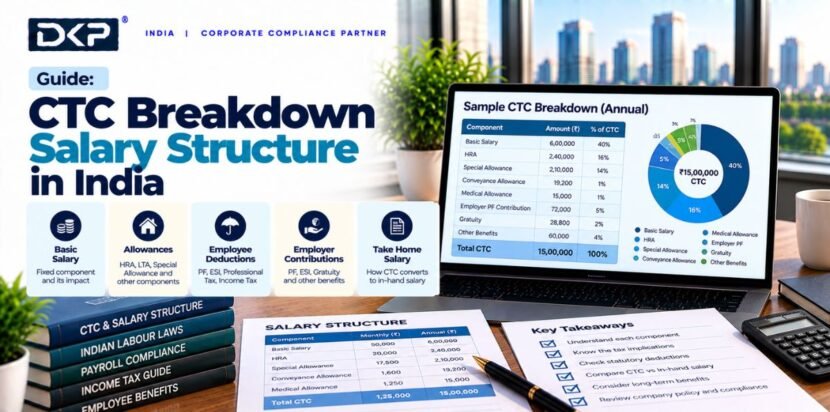
Guide: CTC breakdown Salary Structure in India
CTC (Cost to Company) is the total amount a company spends on an employee annually — including basic pay, allowances, employer PF/ESI contributions, and other benefits — not the amount an employee actually receives in hand. Take-home salary is CTC minus employer-side contributions (which never reach
Read More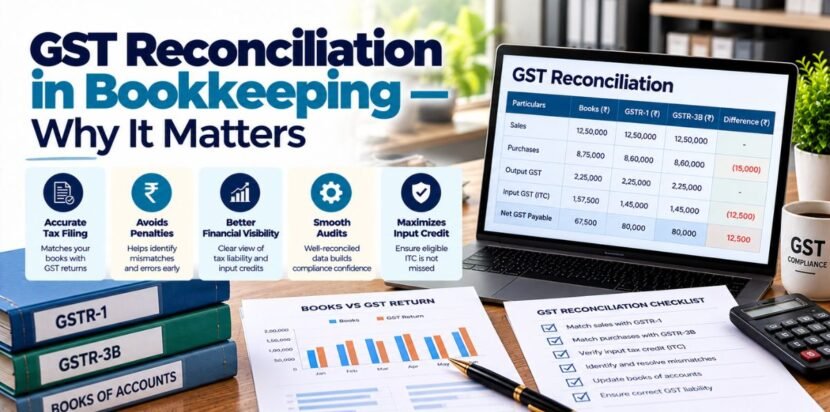
GST Reconciliation in Bookkeeping — Why It Matters
GST reconciliation is the process of matching what’s recorded in your books against what’s actually been filed in your GST returns (GSTR-1, GSTR-3B) and what appears in GSTR-2B (auto-populated Input Tax Credit data from your vendors’ filings). Doing this monthly, rather than only at year-end, catches
Read More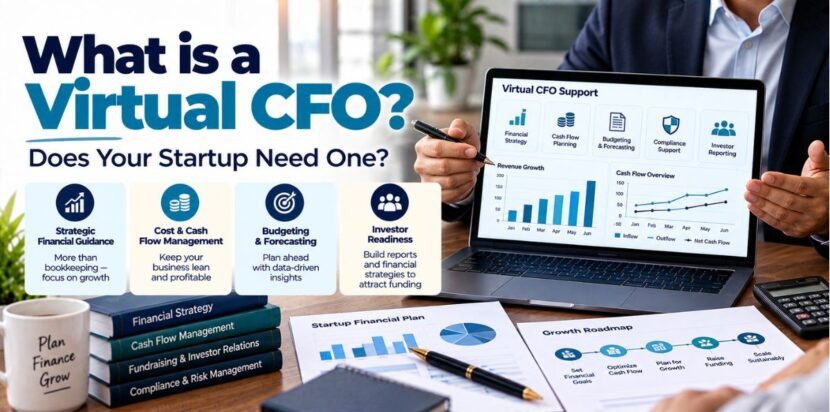
What is a Virtual CFO? Does Your Startup Need One?
A Virtual CFO is an outsourced financial strategy service that provides the analytical and planning work of a Chief Financial Officer — cash flow forecasting, investor-ready reporting, budgeting, and fundraise support — without the cost of a full-time in-house hire. It’s distinct from bookkeeping, which handles
Read More