

Startup Exit Strategies — IPO, Acquisition, or Secondary Sale
Startups typically exit through three main paths: an IPO (public listing, requiring specific financial and governance readiness under SEBI rules), an acquisition (sale to a strategic or financial buyer, covered in depth in our M&A guide), or a secondary sale (founders or early investors selling shares
Read More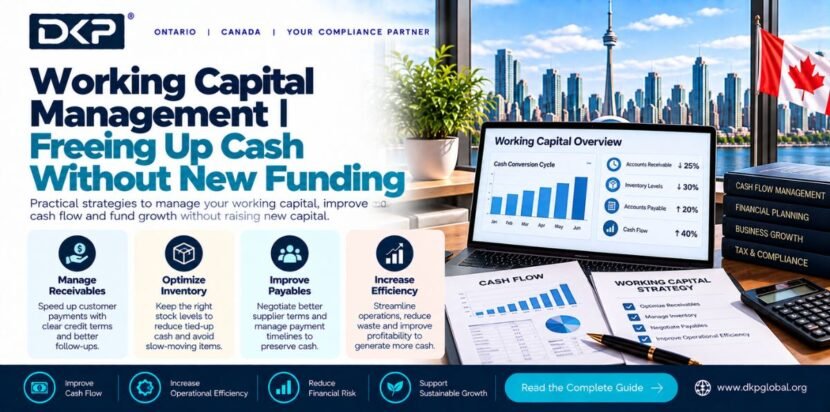
Working Capital Management | Freeing Up Cash Without New Funding
Working capital management improves business cash flow by optimizing the cash conversion cycle the time between paying suppliers and collecting from customers. This involves accelerating receivables collection, negotiating longer payment terms with suppliers where reasonable, optimizing inventory levels to avoid excess cash tied up in stock,
Read More
How M&A Deals Actually Get Structured — Buy vs Sell Side
An M&A deal typically moves through target/buyer identification, initial valuation and a Letter of Intent, detailed due diligence, definitive agreement negotiation, and closing. Buy-side advisory helps an acquirer identify targets, structure the offer, and manage diligence; sell-side advisory helps an owner prepare the business for sale,
Read More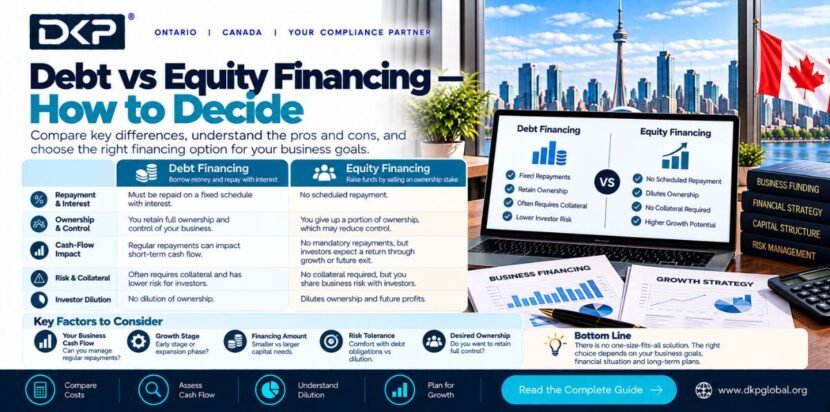
Debt vs Equity Financing — How to Decide (2026 Guide)
Debt financing (loans, credit lines, invoice discounting) funds growth without diluting ownership but requires servicing regardless of business performance, and often comes with collateral or covenant requirements. Equity financing dilutes ownership but doesn’t require repayment and shares business risk with investors. Debt generally suits businesses with
Read More
ESOP Taxation in India — Complete Guide (2026)
ESOPs are taxed at two distinct stages in India: a perquisite tax at exercise, calculated as the difference between the Fair Market Value (FMV) on the exercise date and the exercise price, added to the employee’s salary income and taxed at slab rates; and a capital
Read More
Business Valuation Methods in India — Which One Applies
The right business valuation method depends on your company’s stage and the purpose of the valuation. Discounted Cash Flow (DCF) suits businesses with predictable, projectable cash flows. Net Asset Value works for asset-heavy or early-stage companies without meaningful earnings. Market comparable methods (revenue or EBITDA multiples
Read More
Budgeting and Forecasting — Building a Financial Plan That Holds Up
A budget is a fixed financial plan set for a period (typically a year), against which actual performance is measured. A forecast is a living, regularly updated projection that incorporates the latest actual performance and revised assumptions many businesses now use rolling forecasts, updated monthly or
Read More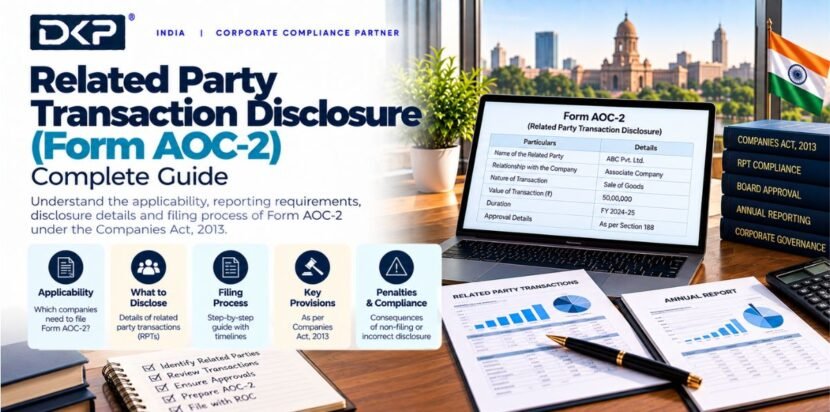
Related Party Transaction Disclosure (Form AOC-2) — Complete Guide
Related party transactions dealings between a company and its directors, key managerial personnel, their relatives, or entities under common control must be disclosed under Form AOC-2, attached to the annual financial statements, and generally require prior board (and in some cases shareholder) approval under Section 188
Read More
Financial Ratio Analysis — What the Numbers Actually Tell You
Financial ratio analysis converts raw Balance Sheet and P&L figures into standardized metrics that reveal a business’s liquidity (ability to meet short-term obligations), profitability (how efficiently revenue converts to profit), leverage (how much debt funds the business relative to equity), and operational efficiency (how well assets
Read More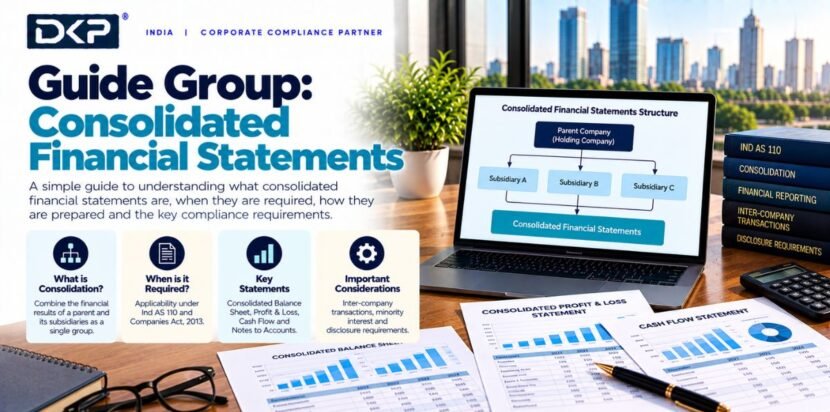
Guide Group: Consolidated Financial Statements
A company with one or more subsidiaries must generally prepare consolidated financial statements alongside its standalone statements, combining the parent and subsidiaries into a single group view. This involves eliminating intercompany transactions and balances, computing non-controlling (minority) interest where a subsidiary isn’t wholly owned, and applying
Read More